

By Patrick and Cassie at Good 4 Guns
We sell guns online. Have for over a decade. So when we tell you to slow down and ask a few questions before you click “Add to Cart” on someone else’s website (or even our own), it’s not because we’re trying to scare you out of it. It’s because we’ve spent 13 years on the other side of that transaction, and we’ve seen what catches people off guard.
Buying a gun online can be a great experience. The selection is wider, you can compare prices without anyone hovering over your shoulder, and you can do your research at midnight in your pajamas. We’re big fans of all of that.
But there are a few things that work differently than ordering literally anything else on the internet, and if you don’t know about them upfront, they can turn a good deal into a frustrating one. Here are the five questions we’d want our own family to ask first.
1. “Do I understand how shipping actually works?”
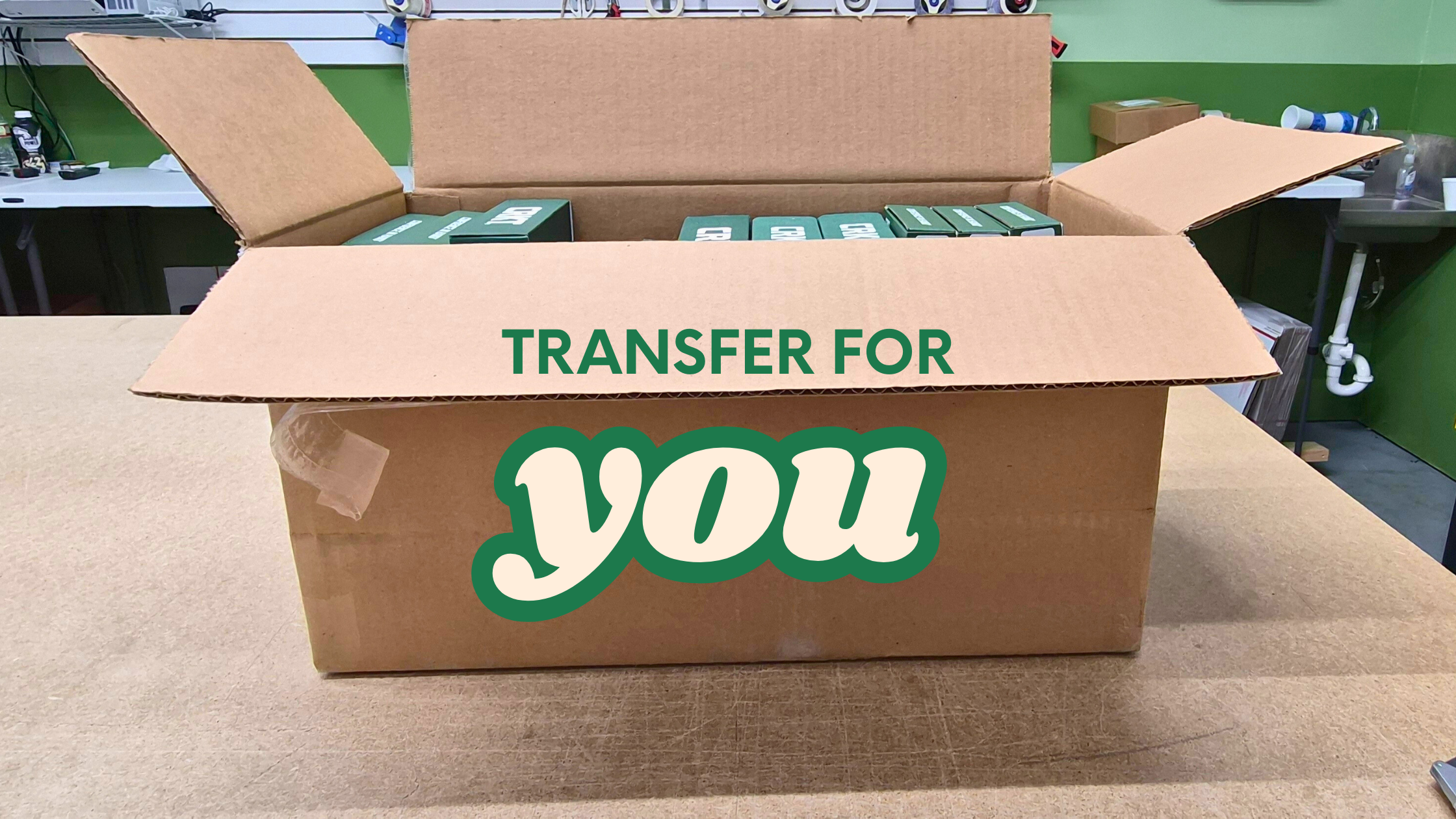
This is the big one, and it surprises people more than you’d think: a firearm purchased online cannot be shipped directly to your house. By federal law, it has to be shipped to a licensed firearms dealer (called an FFL) who handles the transfer and runs your background check in person.
That means your buying process looks like this: you purchase the gun online, the seller ships it to the FFL you choose, the FFL receives it and notifies you, you go in, fill out your paperwork, pass your background check, and walk out with your firearm.
It’s straightforward once you know the process. But if you’re expecting an Amazon-style “it shows up on your porch” experience, you need to adjust those expectations before you order.
| A note about tracking your package We get it — you’re excited. But please don’t follow the delivery truck to the FFL. We are not exaggerating when we say this happens regularly. The driver pulls up, and someone’s already standing there waiting. That’s not a great look for anyone involved, and honestly, it freaks out the delivery drivers. Your FFL probably received 40 other packages that day. They need time to log yours in, verify the contents, and get it into their system. Give them a beat. They’ll let you know when it’s ready. |
2. “What’s this actually going to cost me — total?”
The sticker price on the website is not your final number. You need to factor in at least two additional costs:
Shipping. Some retailers offer free shipping, others charge anywhere from $15 to $50+ depending on the item and how it ships. Firearms require specific carriers and handling, which adds cost.
FFL transfer fee. This is what the receiving dealer charges you for handling the paperwork and background check. This is where people get surprised. Transfer fees vary wildly — we’ve seen everything from $15 to over $100 depending on the shop. In our area of North Texas, most dealers charge $30 and up for a standard non-NFA firearm transfer. At G4G, our transfer fee is $15 per firearm, which is about as low as you’ll find anywhere.
So before you celebrate finding a gun that’s $40 cheaper online, do the math. Add shipping. Add the transfer fee. If the total lands within $20 of what a local shop is charging — and that local shop lets you hold the gun, ask questions, and walk out the same day — the “deal” might not actually be one.
That said, sometimes the online price really is significantly better, or the gun simply isn’t available locally. That’s when buying online makes perfect sense. Just go in with the real number, not the listed price.
3. “What happens if something’s wrong with it?”
Here’s where online firearms purchases differ most from, say, buying a pair of shoes from Zappos.
Most online firearm sales are final. Returns are extremely limited or nonexistent. This is standard across the industry, not unique to any one retailer. The reason is practical: once a firearm leaves the seller’s possession, there’s no way for the manufacturer or seller to verify what happened to it while it was in yours. That’s why the moment you take ownership, it’s yours.
But here’s the important part: you don’t take ownership until you complete the paperwork at the FFL. That’s your inspection window.
| What to do at the FFL before you sign anything When your firearm arrives and the FFL calls you to pick it up, inspect it before you fill out your 4473. Open the box. Check that the make, model, and caliber match what you ordered. Look for damage — scratches, dents, anything that shouldn’t be there. Confirm all accessories listed in the original product description are present. If anything is off, tell the FFL before you do paperwork. Most dealers, including us, will help you resolve the issue with the seller at that point. After you sign and take it home, your options shrink dramatically. |
4. “Is this seller actually legit?”
The internet is full of “too good to be true” gun deals, and some of them are exactly that. Scams exist in this industry like any other, and because of the way firearm transactions work, getting your money back can be a nightmare.
A few things to look for:
Check reviews on independent platforms. Trustpilot, Google Reviews — not just testimonials on the seller’s own website. Look for patterns, not just individual complaints. No retailer can make everyone happy. What you’re watching for is a pattern of “order was canceled and refund took months” or “seller reached out for more money before they’d ship.”
Verify they have a working customer service channel. Can you actually reach a human? Is there a phone number, email, or chat? A lot of stores are ditching the phones due to extreme spam and bot calls, but every retailer should have SOME way of communicating. Try it before you buy. If it takes three days to get a response to a pre-sale question, imagine what post-sale support looks like.
5. “Do I actually need to buy this online, or would I be better off buying local?”
This might seem like a weird question coming from an online retailer. But we’re a local shop too, and we watch people overcomplicate the process every week.
Buying online makes sense when you know exactly what you want and can’t find it locally, when the price difference is large enough to justify the transfer fee and wait time, or when you want to browse at your own pace without someone trying to upsell you.
Buying local makes sense when you’re not 100% sure what you need (nothing replaces holding a gun in your hand), when you want to walk out the same day, when you value being able to ask questions face-to-face, or when the total cost ends up being comparable anyway.
There’s no wrong answer. The wrong move is not thinking about it at all and then being surprised when the process doesn’t look like what you expected.
The Bottom Line
Buying a gun online can be a smart move. We do it every day for customers across the country, and the vast majority of those transactions go smoothly. But the ones that go sideways almost always come down to the same thing: someone didn’t know what they didn’t know.
Now you know. Ask these five questions, do the math on total cost, inspect before you sign, and you’ll be fine.
And if you have a question we didn’t cover here, reach out. That’s what we’re here for.
Ready to shop? Browse our full inventory at g4gguns.com/shop, or if you’re local to Van Alstyne, come see us in person. We’re the shop where you can ask anything without getting a lecture. New to all of this? Start with our first guide: What to Expect Your First Time in a Gun Store.
Leave a Reply